Free shipping for US orders over $150
Free shipping for US orders over $150

Walkway lights, also known as pathway lights or area lights, not only enhance the beauty of your outdoor spaces but also provide an added touch of safety and functionality. Whether you’re looking to illuminate your walkway, driveway, or garden, choosing the right lighting is essential.
If you plan to hire a professional landscaper or consult with a lighting expert, there’s no need to continue reading. You’ll already be equipped with everything you need to know about walkway lights. But for the do-it-yourselfers, there are still some key considerations to make before you can commit to the best decision.
Well-planned outdoor lighting for walkways can make entrances, garden paths, and driveways easier to navigate while creating a more polished landscape lighting design.
Before you get started shopping for path-area lighting, you need to first determine the purpose of your purchase. Are you interested in installing walkway lights to highlight paths and create a safer means of navigation? Is the main reason you’re buying these outdoor fixtures to brighten up your landscape aesthetically? Understanding your goals will help guide your choices.
A walkway landscape lighting plan may focus on pedestrian safety, curb appeal, or a combination of both. Identify the areas where walkway path lights will provide the greatest practical benefit before selecting a fixture style.
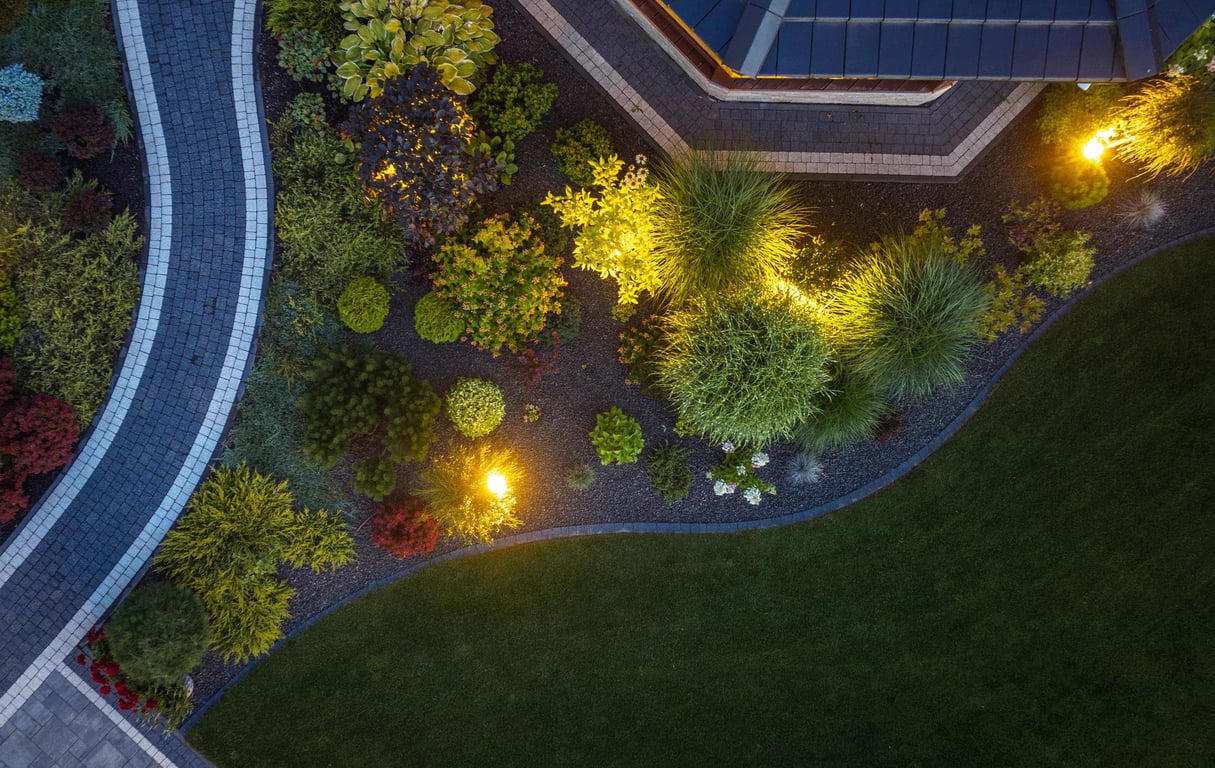
While there are several choices on the market, the most popular are:
Low-voltage path lights: These lights are connected to a transformer and provide more reliable and brighter illumination. They’re also versatile and come in various styles.
LED path lights: Energy-efficient and long-lasting, LED lights are among the most popular outdoor lighting options. They emit clear, bright light and are available in various designs to match your aesthetic preferences.
When comparing path lighting LED products, consider energy use, brightness, fixture construction, and transformer compatibility. The best wired pathway lights should provide stable illumination and fit the layout of the overall low-voltage system.
Local weather and property conditions should influence your choice of outdoor lighting for walkways. California homeowners may need to consider strong sunlight, dry soil, irrigation spray, and coastal moisture. In wetter or colder regions, drainage, frost, snow, and shifting soil may place additional stress on fixtures and ground stakes.
Choose outdoor-rated walkway lights with durable housings, secure stakes, protected connections, and finishes suited to the surrounding environment. Brass and stainless steel are useful options when corrosion resistance is important, while rust and black finishes can blend naturally with traditional and modern landscapes.
The lighting should also suit the property itself. A narrow side yard may need smaller fixtures with controlled illumination, while a wide front walkway may benefit from fixtures with a broader light spread. Local homeowners should also check community, HOA, or municipal requirements that may limit glare, fixture height, or light spill.
The best wired pathway lights should provide consistent illumination and work properly with the rest of the low-voltage system. Before purchasing fixtures, consider the walkway length, number of lights, total wattage, transformer capacity, cable distance, and preferred control options.
A path lighting LED system is often a practical choice because LED fixtures use less energy and provide dependable illumination for long evening operating periods. Wired systems can also offer more consistent brightness than solar fixtures because their performance does not depend on how much direct sunlight each light receives during the day.
Look for fixtures that direct light downward and outward rather than toward people’s eyes. Warm white light is often suitable for residential entrances, patios, and garden paths because it creates an inviting appearance without making the area feel overly bright.
Photocells and timers can make the system easier to operate. A photocell can turn the lights on as daylight fades, while timer settings can control how long the system remains illuminated. Make sure the transformer can comfortably support the total lighting load and any fixtures you may add later.
Placement is key when selecting and installing path-area lighting. Some common locations include walkways, driveways, and the borders of garden beds. Be sure to think about the path’s shape and length and strategically place lights where adequate illumination is needed.
The best walkway lights should be positioned around turns, steps, entrances, and uneven surfaces. Whether the project is described as walkway lighting or walk way lighting, placement should guide people naturally through the property.
Effective walkway landscape lighting depends on more than choosing an attractive fixture. The fixture style, beam spread, mounting height, path shape, and surrounding plants all affect the final result.
Mushroom and pagoda fixtures can cast light across paths and nearby garden beds. Bollard lights provide a more noticeable architectural element and often work well with contemporary properties. Smaller path fixtures may be better for curved walkways, compact gardens, and areas where the lighting should remain visually subtle.
Place walkway path lights where pedestrians need additional guidance, including:
Avoid creating a straight row that resembles an airport runway. Staggering the lights on alternating sides of the path can produce a softer and more natural appearance. Test the fixtures after sunset before completing the installation so you can identify dark gaps, excessive glare, or overlapping pools of light.
Whether homeowners call it walkway lighting or walk way lighting, the objective is the same: provide continuous visual guidance without overpowering the landscape. The best walkway lights should improve visibility while supporting the style and character of the property.
Pathway lights come in a wide variety of designs, from traditional mushroom-style lights to the modern, sleek pagoda shape. The best path lighting should complement the home’s architecture without drawing attention away from the surrounding landscape. Select walkway lights with finishes and shapes that coordinate with nearby exterior features.
Q: What are the best path lighting options for California homes?
A: The best path lighting depends on the property’s architecture, landscaping, soil, irrigation, and exposure to weather. California homeowners should consider outdoor-rated low-voltage fixtures with durable finishes and protected electrical connections. Fixtures that direct light downward can illuminate the path while reducing unnecessary glare.
Q: What types of walkway lights does Best Pro Lighting offer?
A: Best Pro Lighting offers several options for walkway landscape lighting, including mushroom lights, pagoda lights, bollard lights, low-voltage path lights, and LED path lighting. Buyers can choose a fixture based on the desired light spread, finish, height, and architectural style.
Q: How far apart should Best Pro Lighting walkway path lights be placed?
A: There is no single spacing measurement that works for every property. Fixture height, bulb output, beam spread, nearby plants, and the shape of the walkway can all affect placement. Test the proposed layout at night and adjust the distance until the illuminated areas provide clear guidance without excessive overlap.
Q: Are path lighting LED fixtures better than solar walkway lights?
A: Path lighting LED fixtures connected to a low-voltage system generally provide more consistent nighttime illumination because they do not depend on daily sunlight. Solar lights can be useful where wiring is impractical, but their brightness and operating time may vary based on shade, weather, and battery condition.
Q: Can Best Pro Lighting help complete a wired walkway lighting system?
A: Best Pro Lighting carries path and area lights, LED bulbs, low-voltage transformers, ground spikes, wire connectors, and other components used in walkway lighting systems. Homeowners and contractors should calculate the system load and cable requirements before choosing the transformer and completing the installation.
Ready to improve the safety and appearance of your outdoor paths? Explore walkway lights, low-voltage transformers, LED bulbs, and landscape lighting accessories from Best Pro Lighting.

Opening Hours
Monday – Friday 7:30am - 3:30pm PST

Need Help?
Fast answers to common questions.

Stay in the Loop
Be the first to know about new arrivals, sales & tips — it's free!